Late Ovulation: Is It Normal, and When Should You Be Concerned?

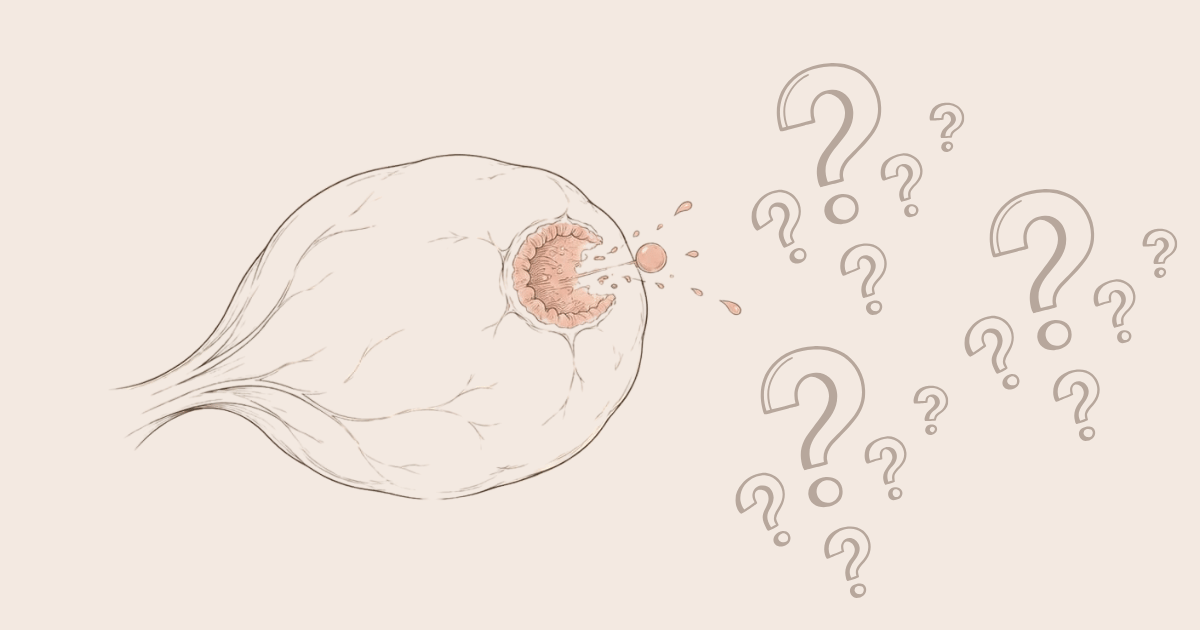
Ovulating after the 14th day of the cycle is not unusual in itself. The timing of ovulation varies from woman to woman, and from one cycle to the next for the same woman.
A prospective study published in 2026 followed 1,051 women for 12 cycles each, with ovulation estimated based on cervical mucus and basal body temperature.
The day of ovulation varied by at least 4 days over the course of the year for 96.5% of the participants, and by at least one week for 54.8% of them. [1]
When can we say that ovulation is delayed? Why does ovulation occur later than usual? What are the effects on fertility and the timing of periods? First thing to note: there is no universal day on which all women are supposed to ovulate.
What is late ovulation?
In a 28-day cycle, ovulation is often shown to occur around the 14th day. This diagram helps explain the physiology of the cycle, but it does not account for the variability observed from one woman to another.
It is primarily the follicular phase—that is, the period between the start of menstruation and ovulation—that causes variations in cycle length. In a study of women with regular cycles, this was the most variable part of the cycle. [4]
An analysis involving 581 women and 3,324 cycles also found significant variability in the follicular and luteal phases, even within the same woman. [2]
Is it abnormal to ovulate after Day 14?
No. Ovulation after Day 14 is part of a normal ovulatory cycle. In the 2026 study, ovulation most often occurred between Days 12 and 16, but nearly half of the conceptions observed (45.7%) occurred following ovulation after Day 16. [1]
What about ovulation after Day 21?
Several popular science articles define “late ovulation” as occurring on day 21. However, standard guidelines on ovulatory disorders do not define pathological ovulation based on a specific day of the cycle. Instead, they rely on the regularity of cycles, the presence or absence of ovulation, and the clinical context. [7,8] The day number alone is therefore insufficient to classify ovulation as normal or abnormal. What is important is the overall functioning of the cycle and the possible recurrence of very long cycles or cycles without ovulation.
Why might ovulation be delayed?
Delayed ovulation may be a one-time occurrence and not indicate any underlying medical condition. Follicular development varies from cycle to cycle, which explains some of the natural variability in the day of ovulation. [1–4] When delayed ovulation or very long cycles recur, several possible causes should be investigated.
The FIGO classification of ovulatory disorders distinguishes between causes affecting the hypothalamus, the pituitary gland, or the ovaries, with a separate category for polycystic ovary syndrome (PCOS). [7] Among the conditions that can disrupt ovulation, the ASRM (American Society for Reproductive Medicine) lists PCOS, significant weight fluctuations, very intense physical exercise, perimenopause, thyroid disorders, and hyperprolactinemia. [8]
An energy intake that is insufficient relative to energy expenditure can also disrupt the hypothalamic-pituitary-ovarian axis: functional hypothalamic amenorrhea is associated with an energy deficit, weight loss, high levels of physical activity, or psychological stress. [9]
This does not mean that a stressful episode or a workout automatically delays ovulation. These factors must always be considered in context.
What are the signs of late ovulation?
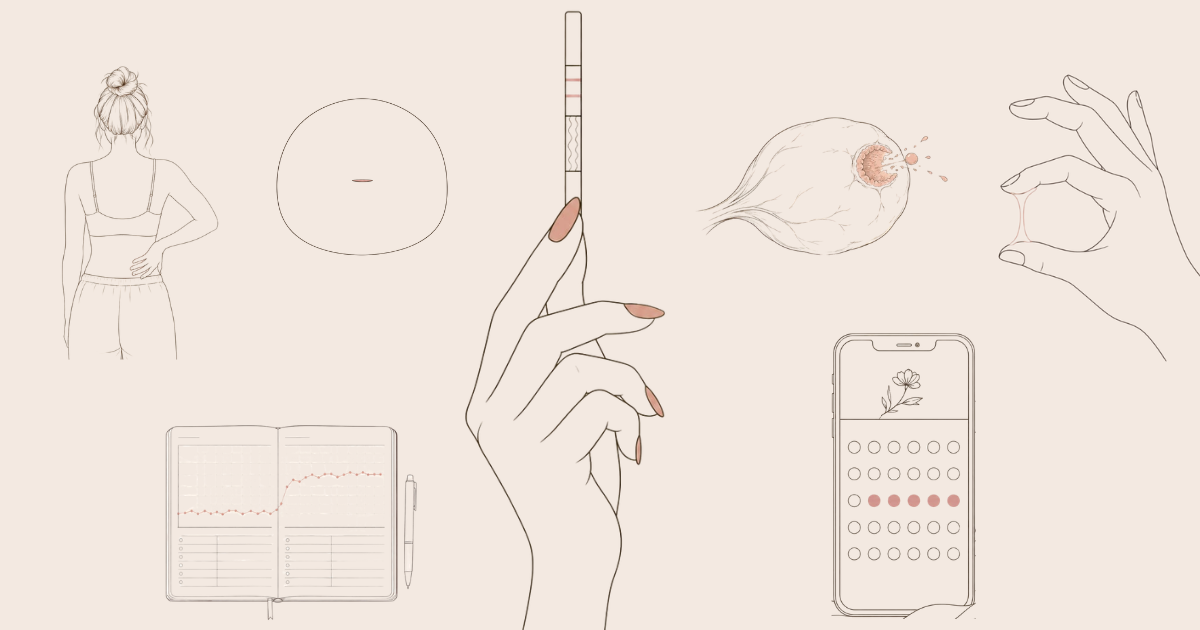
There are no specific symptoms of late ovulation. It is simply that the usual signs of the fertile window and ovulation occur later in the cycle.
| Observed sign | What it may indicate |
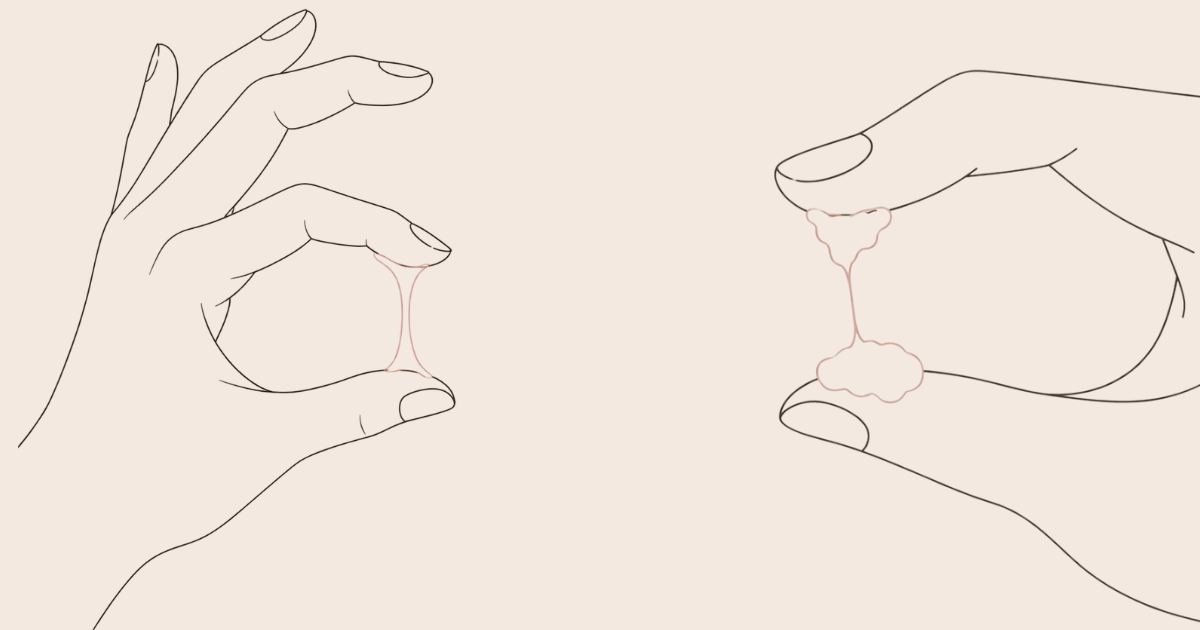
| Cervical mucus that is thinner, slippery, or stretchy | Fertility increases as a result of estrogen. If it occurs later, the fertile window is likely to be shifted as well. |
| Positive LH test | An LH surge, which usually precedes ovulation. It does not, on its own, prove that the follicle has ruptured. |
| Temperature difference | A retrospective sign consistent with the transition to the post-ovulatory phase. If it occurs later, ovulation was likely delayed as well. |
| Elevated progesterone (blood or urine test) | Another retrospective sign, consistent with ovulation having already occurred. |
| Pelvic pain or other sensations | Possible symptoms around ovulation that are too nonspecific to be used on their own to determine or confirm the exact date of ovulation. |
For details on what you can determine from cervical mucus, basal body temperature, LH tests, and physical sensations, see the article “How Do I Know If I’ve Ovulated? Reliable Signs to Identify Ovulation.”
Does late ovulation delay your period?
Often, yes. The luteal phase doesn't begin until after ovulation: if ovulation occurs later, the next period is likely to be delayed as well.
Be aware, however, of another common oversimplification: the luteal phase does not always last 14 days. It varies less than the follicular phase, but it does vary nonetheless—among women and from one cycle to the next.
In a one-year prospective study, the follicular phase was more variable than the luteal phase, although the duration of the latter was not fixed either. [3] The analysis of 581 women cited above found the same variability within individual women. [2]
Delayed ovulation therefore generally causes a delay in menstruation, but adding 14 days to the date of ovulation does not give the exact date of menstruation.
Is it possible to get pregnant if ovulation occurs late?
Yes. Ovulating later in the cycle does not prevent pregnancy. For natural conception to occur, ovulation must take place and intercourse must occur during the fertile window. The ASRM defines this window as the six days ending on the day of ovulation, with the probability of conception being highest in the days leading up to it. [6]
Later ovulation therefore shifts the fertile window along with it. This is why an app based solely on the average of previous cycles may miss the fertile period of the current cycle. A landmark prospective study showed that the fertile window can span a wide range of days, even among women who describe their cycles as regular. [5]
The 2026 study confirms this significant variability in the day of ovulation throughout the year. [1] The situation is different when ovulations are widely spaced or absent: the chances of conception may then decrease, either because there are fewer ovulations over the course of the year or because an underlying condition is affecting ovulatory function. [7,8]
Is late ovulation of "lower quality"?
The day of the cycle on which ovulation occurs does not allow us to judge the “quality” of an egg. Ovulation on Day 20 or Day 25 does not, in and of itself, mean that the egg is of poor quality.
A distinction must be made between delayed ovulation during a cycle and a recurrent ovulatory disorder. Ovulatory disorders have multiple causes and may warrant appropriate evaluation, but they cannot be diagnosed based solely on the day of ovulation. [7,8]
Is it possible to have late ovulation with a 28-day cycle?
Yes, that's possible. If ovulation occurs late in a cycle that still ends on Day 28, the period between ovulation and menstruation is shorter.
This is not sufficient to diagnose luteal phase deficiency. The ASRM notes that this diagnosis remains complex and that no test has demonstrated sufficient reliability to distinguish between fertile and infertile women.
Its recommendation, updated in 2026, links this concept to a luteal phase of 10 days or less, while highlighting the diagnostic limitations of the concept. [10]
When should you take a pregnancy test after late ovulation?
When ovulation occurs later than expected, relying on your usual period date can lead to taking the test too early. A pregnancy test detects hCG, which is produced after implantation; therefore, it does not turn positive immediately after fertilization.
A large prospective study published in 2026 on the use of at-home urine tests shows that false negatives remain common when the test is taken before the expected date of menstruation: among pregnant participants with regular cycles, 12.7% two days before, 21.4% three days before, and 46.4% four days before.
Four days after their expected period, more than 99% of them tested positive. [11] In practice, when ovulation is detected later than expected, it makes more sense to postpone the test as well, rather than relying on a period date calculated based on previous cycles.
A negative test result early on does not rule out pregnancy. If your period is late, you can take the test again a few days later, according to the test instructions or the advice of a healthcare professional.
When should you see a doctor?
An occasional delay in ovulation is not, in itself, a cause for concern. It makes sense to see a doctor when cycles change permanently, become very infrequent, when periods are absent for a prolonged period, or when other symptoms are present.
An evaluation may be helpful in cases of signs of hyperandrogenism (excessive hair growth, acne), milk secretion outside of breastfeeding (galactorrhea), symptoms suggestive of a thyroid disorder, significant weight fluctuations, restrictive eating, or intense exercise, or when a planned pregnancy does not occur within the usual timeframe. [8,9]
For couples planning a pregnancy, the ASRM recommends an evaluation after 12 months of regular, unprotected intercourse for women under 35, after 6 months for women 35 and older, and sooner if there is a known factor that may affect fertility. [6,8]
Late Ovulation: What You Need to Know
Ovulation is not considered abnormal simply because it occurs after Day 14. The day of ovulation naturally varies among women and, even for the same woman, from cycle to cycle, primarily due to the follicular phase. Later ovulation shifts the fertile window and, in most cases, delays the next menstrual period. It does not prevent pregnancy and does not provide information about the quality of the egg.
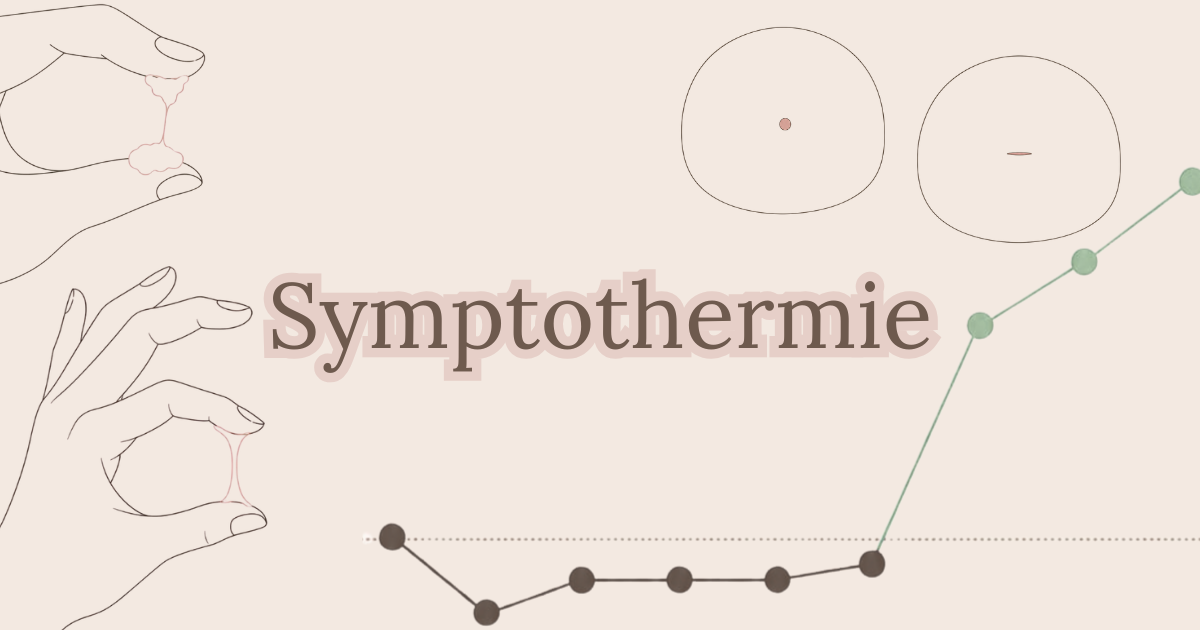
It is the recurrence of very long cycles, the absence of ovulation, or associated symptoms that prompt a search for the cause. Monitoring cervical mucus, basal body temperature, or the cervix—which is the principle behind the symptothermal method—allows one to distinguish the theoretical date of ovulation from what is actually happening in the current cycle.
Frequently Asked Questions
The same signs as for earlier ovulation, but later in the cycle: fertile cervical mucus, an LH surge, followed by a drop in body temperature after ovulation. Some women experience pelvic pain, which is too nonspecific to confirm ovulation.
The day of ovulation naturally varies. When delayed ovulation occurs repeatedly, several possible causes should be considered depending on the context: PCOS, weight fluctuations or insufficient caloric intake, very intense physical exercise, thyroid disorders, hyperprolactinemia, or perimenopause. [7–9]
Yes. Late ovulation can result in pregnancy: the fertile window is simply shifted later in the cycle. An isolated instance of late ovulation does not necessarily indicate infertility. [5,6]
Most often, yes, since the luteal phase does not begin until after ovulation. However, this phase does not last the same amount of time for all women or in every cycle. [2,3]
Yes. A cycle can be regular overall while still showing some variation in the timing of ovulation from day to day. Prospective studies show that the day of ovulation can vary significantly for the same woman over the course of a year. [1,4]
Yes. The phase following ovulation is therefore shorter in this cycle. Cycle length alone is not sufficient to diagnose a luteal phase defect. [10]
If ovulation has been delayed, the test will turn positive later than the calendar predicts. Testing several days before your period increases the risk of false negatives. If an initial test is negative and your period does not start, you can retest a few days later. [11]
No. The day of the cycle does not provide a basis for assessing the quality of an oocyte. However, widely spaced ovulations or cycles that have been consistently altered may warrant an evaluation to investigate a possible ovulatory disorder. [7,8]
Sources
2. Najmabadi S, Schliep KC, Simonsen SE, et al. Menstrual bleeding, cycle length, and follicular and luteal phase lengths in women without known subfertility: a pooled analysis of three cohorts. Paediatric and Perinatal Epidemiology. 2020;34(3):318-327. doi:10.1111/ppe.12644. PMID: 32104920.
3. Henry S, Shirin S, Goshtasebi A, Prior JC. Prospective 1-year assessment of within-woman variability of follicular and luteal phase lengths in healthy women prescreened to have normal menstrual cycle and luteal phase lengths. Human Reproduction. 2024;39(11):2565-2574. PMID: 39320898.
4. Fehring RJ, Schneider M, Raviele K. Variability in the phases of the menstrual cycle. Journal of Obstetric, Gynecologic & Neonatal Nursing. 2006;35(3):376-384. doi:10.1111/j.1552-6909.2006.00051.x. PMID: 16700687.
5. Wilcox AJ, Dunson D, Baird DD. The timing of the fertile window in the menstrual cycle: day-specific estimates from a prospective study. BMJ. 2000;321:1259-1262. doi:10.1136/bmj.321.7271.1259. PMID: 11082086.
6. Practice Committee of the American Society for Reproductive Medicine and Practice Committee of the Society for Reproductive Endocrinology and Infertility. Optimizing natural fertility: a committee opinion. Fertility and Sterility. 2022;117(1):53-63. doi:10.1016/j.fertnstert.2021.10.007. PMID: 34815068.
7. Munro MG, Balen AH, Cho SH, et al. The FIGO Ovulatory Disorders Classification System. Human Reproduction. 2022;37(10):2446-2464. doi:10.1093/humrep/deac180. PMID: 35984284.
8. Practice Committee of the American Society for Reproductive Medicine. Fertility evaluation of infertile women: a committee opinion. Fertility and Sterility. 2021;116(5):1255-1265. doi:10.1016/j.fertnstert.2021.08.038. PMID: 34607703.
9. Gordon CM, Ackerman KE, Berga SL, et al. Functional Hypothalamic Amenorrhea: An Endocrine Society Clinical Practice Guideline. Journal of Clinical Endocrinology & Metabolism. 2017;102(5):1413-1439. doi:10.1210/jc.2017-00131. PMID: 28368518.
10. Practice Committee of the American Society for Reproductive Medicine and Practice Committee of the Society for Reproductive Endocrinology and Infertility. Diagnosis and treatment of luteal phase deficiency: a Committee Opinion. Fertility and Sterility. 2026. doi:10.1016/j.fertnstert.2026.06.014. PMID: 42414147.
11. Sundermann AC, Jasper EA, Buckley RJ, Rothman KJ, Wise LA. Home pregnancy test sensitivity by test timing and cycle length with real-world use among pregnancy planners who conceived. Fertility and Sterility. 2026. doi:10.1016/j.fertnstert.2026.06.022. PMID: 42303110.