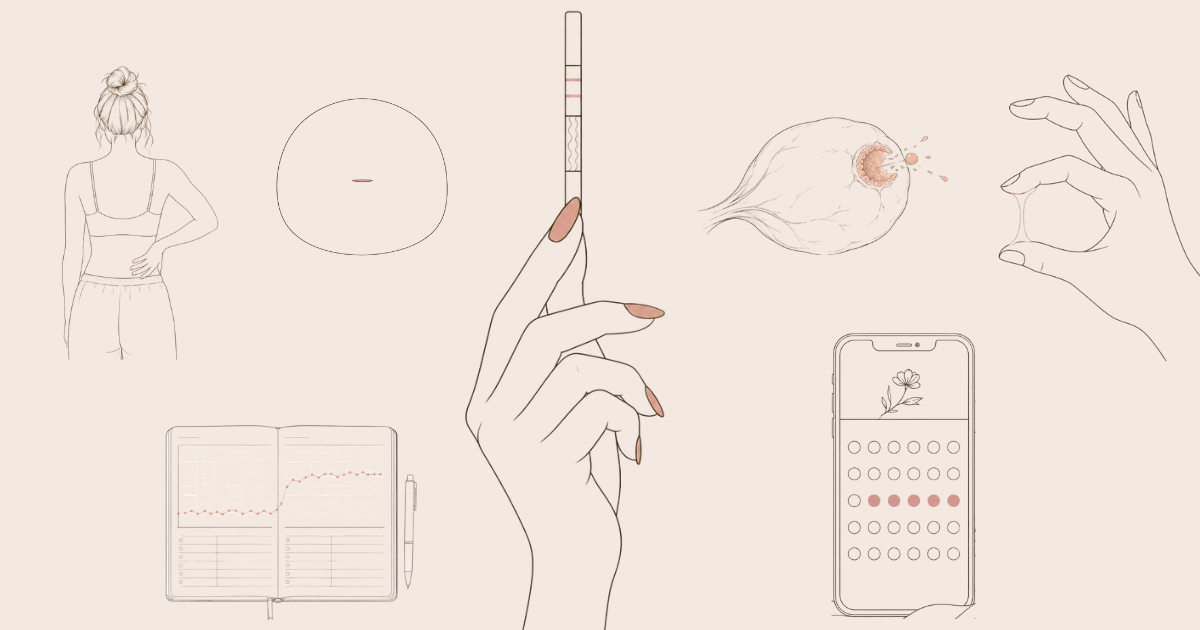
Getting Started with the Symptothermal Method: A Guide to Getting Off to a Good Start

Getting Started with the Symptothermal Method: A Guide to Getting Off to a Good Start
Have you heard of the symptothermal method? Are you interested in the idea, but don’t know where to start—and maybe it seems complicated? Good news: getting started is easier than you might think. You don’t need to be an expert, have perfectly regular cycles, or understand everything from day one. All you have to do is start observing and learn as you go through your cycles.
This guide walks you through the process step by step as you get started: why you should get started, what you really need, what happens during the very first cycle, common mistakes to avoid, and how long it will take before you get the hang of it.
Why try the symptothermal method?
The symptothermal method isn't just for one purpose. Above all, it's a way to understand your body, and every woman approaches it with her own goals in mind.
Some simply want to get to know themselves better: to understand their fluctuations in energy, mood, and sleep, and to live in harmony with their cycle rather than endure it. Others hope to support their desire to conceive by identifying their actual fertile window. Still others want to avoid pregnancy naturally, which is possible but requires rigorous learning and, ideally, guidance. Finally, some are looking to regain their bearings after stopping hormonal birth control or during the postpartum period.
No matter what your goal is, the starting point is the same: observe. That’s what makes this method accessible to everyone.
The 3 Common Misconceptions That Might Be Holding You Back
Many women are hesitant because of common misconceptions. Here are the three most common ones—and the truth behind them.
"It's too complicated for me."
It’s a learning process, like learning to read a new language—the language of your body. The first few cycles require a little attention, but then observing your body becomes second nature—it only takes a few minutes a day. And you don’t have to master everything on your own right from the start.
"You need to have regular cycles."
In fact, it’s quite the opposite. Because it tracks your current cycle rather than calculating it, the symptothermal method adapts precisely to irregular cycles and delayed ovulation. It’s often a revelation for women whose cycles don’t follow any predictable pattern.
"It's just for birth control."
No. Natural family planning is one possible use, but many women practice the symptothermal method to better understand their bodies, to conceive, or to monitor their gynecological health. The method adapts to your goals.
What do you need to get started?
The list is short, and that's what makes the method so accessible. You need three things—not one more.
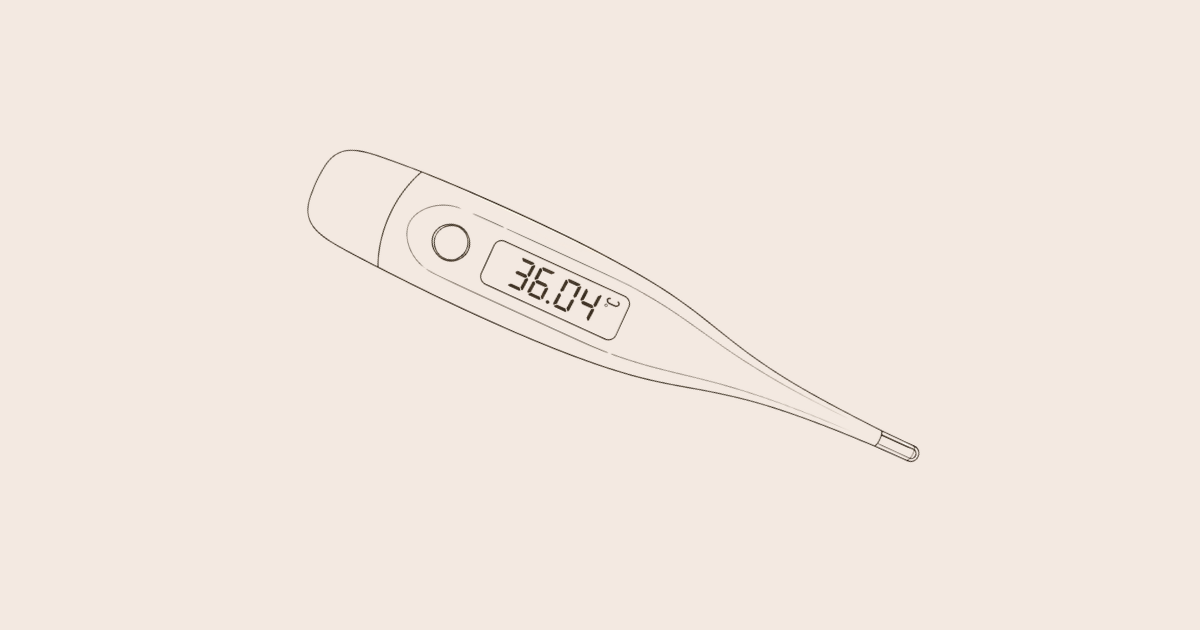
A basal thermometer—that is, a thermometer that displays two decimal places (for example, 36.57 °C). A standard fever thermometer is not sufficient, because the changes to be detected are only a few tenths of a degree.
A way to keep track of your progress—choose from a printable workout log, a notebook, or a dedicated app. Whether it's paper or digital, it doesn't matter: pick what works best for you and will keep you motivated to stay on track.
A little consistency, at last. Not perfection, just the habit of observing every day. That’s the only truly essential ingredient.
When should I start?
The best time to start is on the first day of your cycle—that is, the first day of your actual period, when the bleeding is heavy and bright red. Be careful not to confuse this with spotting—those light traces of blood that may occur before your period: spotting does not count as the first day of your cycle.
That said, there’s nothing stopping you from starting partway through a cycle to get familiar with the steps. Your initial observations will then serve as practice, and your next cycle will get off to a solid start.
Your Very First Cycle: A Practical Guide
Here’s what a day of observation looks like—without getting into interpretation just yet, which will come naturally with practice.
In the morning, as soon as you wake up—before getting out of bed, speaking, or drinking—take your temperature and write it down. Always use the same method and under conditions that are as consistent as possible.
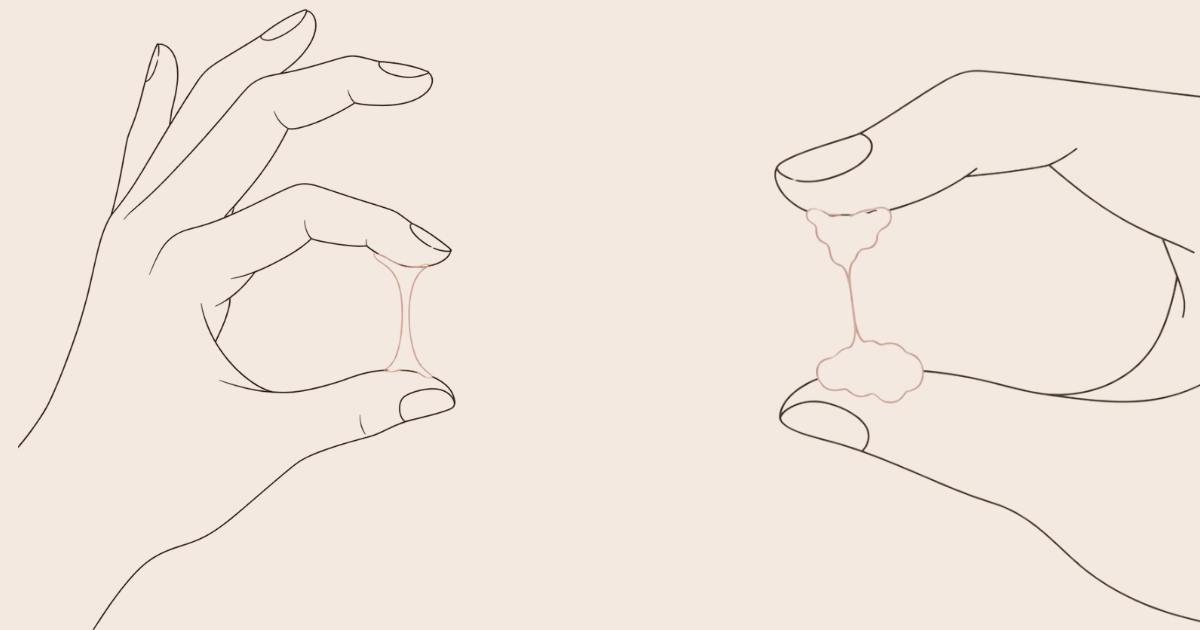
Throughout the day, pay attention to your cervical mucus and how your vulva feels—whether it’s dry, moist, or slippery. You don’t need to do anything special; just take note.
In the evening, record your observations: your morning temperature and what you noticed that indicated you were most fertile during the day.
That's it. At first, these actions require a conscious effort; very quickly, they become part of your routine, just like brushing your teeth.
Common Mistakes Made by Beginners
A few common pitfalls—easy to avoid once you know what they are.
Trying to interpret everything right from the first cycle. The first cycles are for observing and getting familiar with things, not for drawing conclusions. Insight comes with hindsight.
Relying on a single sign. The strength of the symptothermal method lies in cross-referencing cervical mucus and temperature: one indicates, the other confirms. A single sign can be misleading.
Changing thermometers or measurement sites during a cycle makes the temperatures incomparable. Use the same equipment and measurement site throughout the cycle.
Don't get discouraged by a jagged curve. That's normal at first: it's the overall trend—over several days—that matters, never a single data point.
Finally, wanting to move forward on your own at all costs. Seeking support isn’t an admission of weakness—it’s a catalyst.
How long will it take to figure it out?
Plan on tracking at least three cycles, as recommended by the Sensiplan method, to get familiar with your signs and start recognizing your personal pattern. The first few weeks require some attention, but then everything becomes easier. And every cycle you track teaches you something new about yourself.
If your goal requires strict adherence—for example, preventing a pregnancy—working with a trained counselor, midwife, or healthcare professional trained in the method will greatly speed up the learning process and ensure that you interpret the results correctly.
Learn More: Your Practical Guide
Want to get started with a clear and comprehensive guide at your fingertips? We’ve put together a practical guide to learning the symptothermal method: the phases of your cycle, the signs to look for, your daily routine, and common mistakes to avoid—all compiled into a document you can keep close at hand. Leave us your email address to receive it, and be the first to hear about the VitaCycles adventure.
And to learn more about these two key signs right now, check out our articles on basal body temperature and cervical mucus, as well as our comprehensive guide to symptothermal contraception.
Frequently Asked Questions
Get a basal thermometer that displays temperatures to two decimal places, choose a way to keep track of your data (paper or an app), and start your observations on the first day of your period. Every morning, take your temperature as soon as you wake up; during the day, observe your cervical mucus; and in the evening, record everything. The first few cycles are just to help you get the hang of it.
It’s a learning process, not an insurmountable challenge. Allow yourself about three cycles to get the hang of it. Guidance from a trained professional makes getting started much easier and faster, especially if your goal requires precision.
Yes, and that’s one of its greatest strengths. The method observes the current cycle as it is, without making any assumptions about its duration; it therefore adapts to irregular cycles and late ovulation.
No. A simple printout of the cycle chart is all you need to get started. An app can make it easier to take notes and read the curve, but the choice between paper and digital is purely a matter of preference.
Sources
World Health Organization. “A prospective multicenter trial of the ovulation method of natural family planning. II. The effectiveness phase.” Fertility and Sterility, 1981, vol. 36, no. 5, pp. 591–598.
NFP Working Group. Natural and Safe — The Practical Guide (Sensiplan). Reference manual for the symptothermal method, with a learning program structured over three cycles.